20 Insider Secrets For Successfully Mastering The Best AI Stock Prediction App
Top 10 Ways To Assess The User Experience And Interface Of Ai Stock Trading PlatformsThe User Interface (UI) and the User Experience (UX) of AI platforms for predicting and analyzing stocks are essential to ensuring efficiency, usability, and general satisfaction. An ineffective user interface may hinder decisions even when the AI models behind it are robust. Here are 10 tips on how to evaluate the UX/UI.
1. Evaluation of user-friendliness and intuitiveness of use
Navigation: Make sure the platform is simple to use, using buttons and menus that are simple to comprehend, as well as workflows.
Learning curve: Assess how quickly an individual can learn and use a system without lengthy instruction.
Consistency - Examine the design patterns on all platforms to ensure the sameness (e.g. button colors, styles).
2. Check for Customizability
Dashboard customization: Find out whether the dashboard is customized to display relevant metrics chart, data, or charts.
Layout flexibility: The platform must permit users to rearrange, resize, or move widgets.
Themes: Find out if your platform has dark/light mode or other preferences.
3. Visualize data with ease
Chart quality: Make sure the platform offers interactive charts of high quality (e.g. candlestick charts, lines charts) which include zoom and pan functions.
Visual clarity: Ensure the information is clearly presented with labels, legends, and tooltips.
Updates in real-time: Make sure that visualizations change in real time to reflect market fluctuations.
4. Test Responses and Speed
Loading times: Ensure the platform is loaded quickly, even when handling large databases or complicated calculations.
Performance in real-time: Make sure the platform is able to respond to data feeds in a flash without lags or delays.
Cross-device compatible: Make sure the platform works seamlessly on all devices, including desktop, mobile and tablet.
5. Evaluate Accessibility
Mobile app availability: Verify if the platform has an app for mobile devices that has full functionality to trade on-the-go.
Keyboard shortcuts - Ensure that the platform is equipped with keyboard shortcuts available for power users.
Accessibility features: Determine whether the platform is compliant with accessibility guidelines (e.g. screen reader support or high-contrast mode).
6. Check out the Search and Filtering Functions and Examine Search
Searching functionality Users should be able to quickly search for stocks or indices.
Advanced filters: Determine if the user can apply filters to achieve specific results (e.g. by sector, capitalization, or performance metrics).
Saved searches. Examine the ability of the platform to allow users to store frequently-used search terms or filters.
7. Be sure to check for alerts, notifications and other Information
Customizable alerts: Make sure that users can create alerts for specific situations (e.g., prices thresholds, spikes in volume, news happenings).
Notification delivery: Verify that alerts are sent via multiple channels, e.g. SMS, emails, or in-app notifications.
Timing: Check if alarms are set promptly and precisely.
8. Evaluation of Integration with Other Tools
Broker integration: The platform needs to be connected to your brokerage account to ensure that trades can be executed quickly.
API access: Check whether the platform permits advanced users to design custom workflows and tools.
Third-party integrations : Check if the platform allows integration with other tools, such as Excel, Google Sheets or trading bots.
9. Take a look at the Help and Support Features as well as the Support Features.
Onboarding tutorials - Check to see if there's tutorials and walkthroughs available for those who are brand new.
Help center. Make sure your platform comes with an extensive help center.
Customer support: Verify whether the platform provides an efficient customer support (e.g. email, live chat, telephone).
10. Test Overall User Experience
User feedback review and testimonials of research to gauge the level of satisfaction overall with UI/UX.
Trial period: Try a free trial or demo to experience the platform firsthand and evaluate its functionality.
How does the platform handle edges and errors?
Bonus Tips
Aesthetics is essential, a beautiful design can help improve user experience.
Performance under stress: Make sure the platform is responsive and stable during times of market volatility.
Forums and communities: Find out whether the platform has an active user community or forum where users can provide feedback and share tips.
Check these points to determine the UI/UX for AI stock predicting/analyzing platforms. This will help ensure that they're user-friendly and efficient. They should also be able to meet the requirements of trading. The user interface and experience of a trading platform could have a significant impact on your ability to make informed trades and make the right choices. Have a look at the best stock analysis blog for blog tips including ai share trading, free stock trading, ai investment stocks, best ai stocks, learn stock market trading, stock trading software, ai stock price prediction, top ai stocks, stock analysis software, ai stock prediction and more.
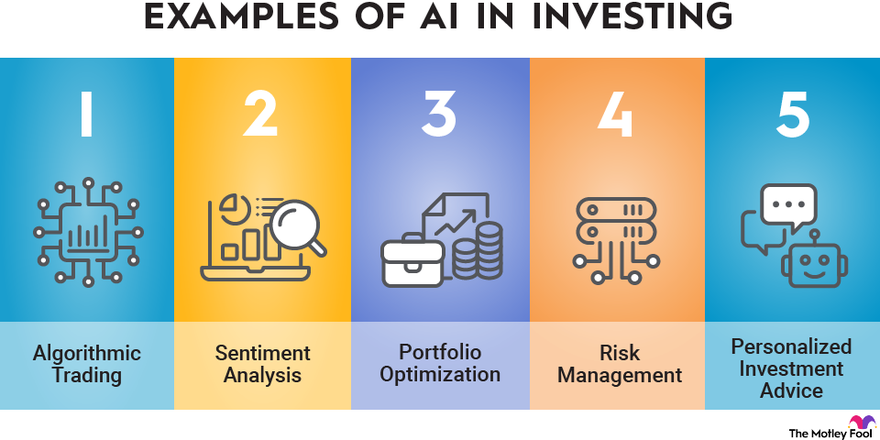
Top 10 Tips To Evaluate The Risk Management Of Ai Stock Prediction And Analysis Of Trading Platforms
Risk management plays a crucial function in any AI-based stock trading platform. It protects your capital by minimizing possible losses and enables you to maximize profits. A platform with strong risk management tools will assist you in navigating turbulent markets and make informed decisions. Here are the top ten tips for assessing the capability of risk management in these platforms:
1. Review Stop-Loss and take-profit features
Customizable Levels: Make sure the platform allows you to define your own stop-loss levels as well as targets for take-profits in trading strategies or trades.
Trailing stops: Make sure your platform supports trailing stops that are automatically adjusted as the market shifts in your direction.
If the platform has the option of a stop-loss order that guarantees your trade is closed at the specified price in volatile markets, you can be confident of a successful trade.
2. Calculate the Size of Position Tools
Fixed amount: Make sure the platform lets you determine the size of your position based on the fixed amount of money.
Percentage: Determine if you are able to determine your positions' sizes in percent of the total amount of your portfolio. This will enable you to manage risk proportionally.
Risk-reward-ratio: Verify whether the platform permits users to determine their own risk/reward ratios.
3. Make sure you have Diversification Support
Multi-asset Trading For diversification of your portfolio of investments, make sure that the platform you choose can handle trading in a variety of asset classes.
Sector allocation: Verify whether the platform has tools to monitor and manage the exposure of sectors.
Geographic diversification: Make sure that the platform supports trading in international markets to spread geographic risk.
4. Controlling leverage and margins
Margin requirements. Make sure you know the margin requirements prior to trading.
Limits on leverage: See if the platform allows you to set leverage limits to limit the risk of exposure.
Margin call - Check whether your platform alerts you to margin calls in a timely manner. This will help prevent liquidation.
5. Assess the risk Analytics Reporting
Risk metrics. Make sure that your platform has key risk indicators (e.g. VaR, Sharpe Ratio, Drawdown) that are pertinent to the portfolio you are managing.
Scenario analysis: Check whether the platform allows users to create different market scenarios to assess the potential risk.
Performance reports - Make sure that the platform includes detailed performance reporting, including return adjustments for risk.
6. Check for Real-Time Risk Monitoring
Portfolio monitoring - Ensure that the platform you choose has real-time monitoring in order to ensure your portfolio is secure.
Alerts and notifications. Ensure that the platform sends out alerts in real-time when risk events occur (e.g. Margin breaches, triggers for stop-loss orders).
Risk dashboards: Find out whether the platform provides risk dashboards that can be customized to give you an extensive overview of your risk profile.
7. Tests of Backtesting, Stress Evaluation
Stress testing. Make sure that the platform allows for you to stress test your portfolio or strategy under extreme market conditions.
Backtesting: Check that the platform allows backtesting strategies based on historical data in order to determine risk and the performance.
Monte Carlo simulators: Verify that the platform is using Monte Carlo to simulate a range of outcomes that could occur in order for you to evaluate the risk.
8. Risk Management Regulations: Assess the compliance
Make sure that the platform is in compliance with the requirements of regulatory compliance (e.g. MiFID II regulations in Europe, Reg T regulations in the U.S.).
Best execution: Verify whether the platform follows the most efficient execution method, which guarantees that transactions are executed at the best price so as to limit any loss.
Transparency. Make sure the platform is clear and makes clear disclosures of risks.
9. Check for User Controlled Risk Parameters
Custom risk rules for your business - Make sure that the platform allows the user to set up your own risk management policies.
Automated risk controls: Determine if the platform can automatically enforce risk management rules in accordance with your predefined parameters.
Verify if the platform allows manual overrides to automated risk controls.
10. Review User Feedback and Case Studies
User reviews: Examine feedback from users to assess the effectiveness of the platform's risk management.
Case studies Look up cases studies or testimonials that show the ability of the platform to control risks.
Community forums: Check whether the platform hosts an active community of users where traders can share tips for managing risk and strategies.
Bonus Tips
Free Trial: Test the features of the platform to manage risk in real situations.
Customer Support: Verify that the platform can provide comprehensive support in the event of any risk management-related questions or issues.
Educational resources: Discover if your platform offers educational materials or tutorials which explain risk management strategies.
By following these tips and techniques, you will be able to assess the risks management capabilities of AI platform for analyzing and predicting stocks, ensuring you choose a platform that helps protect your capital and minimize the possibility of losses. Tools for managing risk that are reliable are crucial for trading on volatile markets. See the top how to use ai for stock trading recommendations for website recommendations including ai stock predictions, stocks ai, ai share trading, ai stock predictions, chart ai trading, ai software stocks, ai stock price prediction, ai stock investing, ai options trading, ai tools for trading and more.
